
I still remember the first time I tried to cook tuna steak at home. It was a disaster! One side was raw, the other was dry as a bone.
My three little ones, bless their hearts, politely picked around it, and I was left wondering if I’d ever master this beautiful fish. Fast forward a few years, countless experiments, and a whole lot of love poured into my kitchen, and now perfectly seared tuna steak is a regular, much-loved meal in our household. The secret, I discovered, isn’t some fancy chef trick, but understanding *what temperature to cook tuna steak*.
It’s all about precision, a little patience, and knowing your way around a good sear. If you’ve ever felt intimidated by cooking tuna, or you’re simply looking to elevate your weeknight meals, then you’ve come to the right place. This isn’t just a recipe; it’s What Temperature to Cook Tuna Steak?
The Full Guide designed to give you confidence and incredible results every single time. We’ll cover everything from searing techniques to the ideal internal temperatures, ensuring your tuna steak is always tender, juicy, and packed with flavor.
Why You’ll Love This Recipe: Your Full Guide to Tuna Steak Perfection
You will absolutely adore this recipe for so many reasons! First, it’s incredibly fast. Seriously, from pan to plate in under 10 minutes, making it perfect for busy weeknights when you still crave something special.
Second, it’s a wonderfully healthy option, packed with lean protein and omega-3 fatty acids. Forget those expensive restaurant meals; you can achieve that high-end quality right in your own kitchen by following What Temperature to Cook Tuna Steak? The Full Guide.
This method takes all the guesswork out of cooking tuna, transforming what can seem like a daunting task into a simple, stress-free experience. Finally, knowing precisely what temperature to cook tuna steak ensures consistent, delicious results every time. You gain the confidence to cook this beautiful fish perfectly, pleasing even the pickiest eaters in your family. This comprehensive approach empowers you to cook tuna steak like a seasoned pro, creating meals that truly feel like a treat.
Ingredients You’ll Need
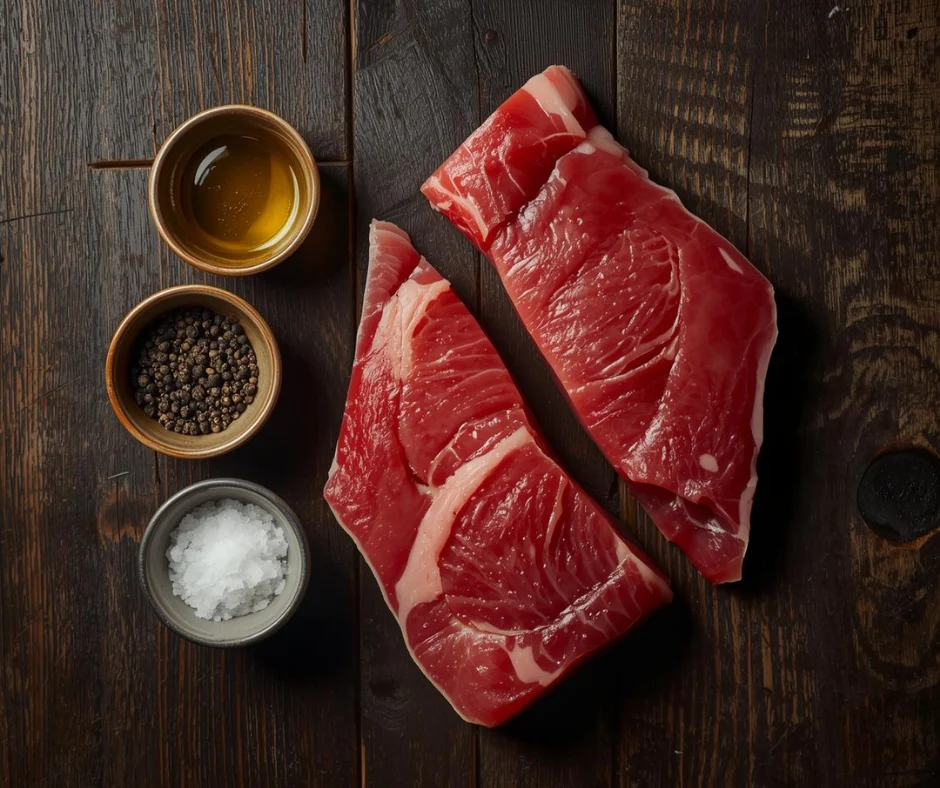
Gathering your ingredients is the first step to mastering what temperature to cook tuna steak. You only need a few high-quality items to make this dish sing. Freshness truly matters here, especially for the tuna. Always choose sushi-grade or sashimi-grade tuna if possible.
| Ingredient | Quantity | Notes |
|---|---|---|
| Tuna Steaks | 2 (6-8 oz each, 1-inch thick) | Fresh, high-quality, preferably sushi-grade |
| Olive Oil (or Avocado Oil) | 2 tablespoons | High smoke point oil works best |
| Salt | 1 teaspoon | Kosher salt recommended |
| Black Pepper | ½ teaspoon | Freshly ground is always better |
Substitutions & Variations
Once you master what temperature to cook tuna steak, feel free to experiment with flavor! This recipe provides a fantastic base for countless variations.
* Seasoning Blends: Instead of just salt and pepper, try a sprinkle of garlic powder, onion powder, or a dash of smoked paprika.
A “blackened” seasoning blend adds a zesty kick. Asian-inspired flavors, like a sesame-ginger rub or a sprinkle of Togarashi, also pair beautifully with tuna.
* Crusts: For an extra layer of texture, consider crusting your tuna.
Sesame seeds (white and black) create a beautiful, nutty crust. You can also press the tuna into finely chopped herbs like parsley or cilantro before searing.
* Oils: While olive or avocado oil work wonderfully, toasted sesame oil can be used for a pan finish, adding a fragrant, nutty aroma.
Remember to use a high-smoke-point oil for the actual searing.
* Marinades: For a deeper flavor, briefly marinate your tuna steaks (no more than 30 minutes, as tuna is delicate) in a mixture of soy sauce, rice vinegar, a touch of honey, and grated ginger. Pat the steaks completely dry before searing for the best crust.
* Sauces: A simple lemon-butter sauce, a fresh pico de gallo, or a quick aioli (garlic mayonnaise) can elevate your seared tuna even further. The beauty of knowing what temperature to cook tuna steak is that the perfectly cooked fish shines through any accompaniment.
Beyond the perfect sear, exploring different seasoning blends opens up a world of culinary possibilities, allowing you to tailor your tuna steak to any palate. Understanding the components that make up your food is key to truly mastering your kitchen, much like delving into What Are Subway Veggie Patties Made Of? A Complete Ingredient Breakdown.
Step-by-Step Instructions
Now, let’s get to the heart of the matter: achieving that perfect sear and ideal internal temperature. This is What Temperature to Cook Tuna Steak? The Full Guide in action. Follow these steps precisely for best results.
1. Prepare the Tuna: First, remove your tuna steaks from the refrigerator about 15-20 minutes before cooking. This helps them cook more evenly.
Pat them thoroughly dry with paper towels. Excess moisture prevents a good sear. Season both sides generously with salt and black pepper.
2. Heat the Pan: Place a heavy-bottomed skillet or cast-iron pan over high heat. Allow it to preheat for at least 3-5 minutes until it is smoking hot.
A hot pan is crucial for a beautiful crust. Without a properly hot pan, you cannot achieve the desired sear, which is integral to understanding what temperature to cook tuna steak.
3.
Add Oil: Once the pan is screaming hot, add the olive or avocado oil. Swirl it around to coat the bottom. The oil should shimmer immediately.
4. Sear the Tuna: Carefully place the seasoned tuna steaks in the hot pan. You should hear a satisfying sizzle!
Sear for 1 to 2 minutes per side for rare to medium-rare tuna (the recommended doneness for flavor and texture). For a 1-inch thick steak, 90 seconds per side typically achieves a beautiful rare interior. This precise timing is key to mastering what temperature to cook tuna steak.
5. Check Internal Temperature: This is where What Temperature to Cook Tuna Steak? The Full Guide truly comes into play.
Use an instant-read meat thermometer inserted into the thickest part of the steak.
* Rare: 115-120°F (46-49°C) – Cool red center.
* Medium-Rare: 125-130°F (52-54°C) – Warm red center.
This is often considered ideal.
* Medium: 130-135°F (54-57°C) – Warm pink center.
* Medium-Well/Well-Done: Avoid cooking tuna past medium, as it becomes dry and loses its delicate flavor.
However, if you prefer it more done, aim for 140°F (60°C).
6. Rest the Tuna: Once your tuna reaches your desired internal temperature, remove it immediately from the pan.
Place it on a cutting board and let it rest for 2-3 minutes. This allows the juices to redistribute, resulting in a more tender and flavorful steak. This resting period is a small but important part of understanding what temperature to cook tuna steak and finishing it perfectly.
7. Slice and Serve: Slice the tuna against the grain into ½-inch thick pieces, or serve whole. Enjoy immediately!
This detailed guide on What Temperature to Cook Tuna Steak? The Full Guide helps you achieve professional results.
Pro Tips for Success
Achieving perfect tuna steak consistently means paying attention to a few crucial details. These pro tips will help you leverage your knowledge of what temperature to cook tuna steak for truly outstanding results.
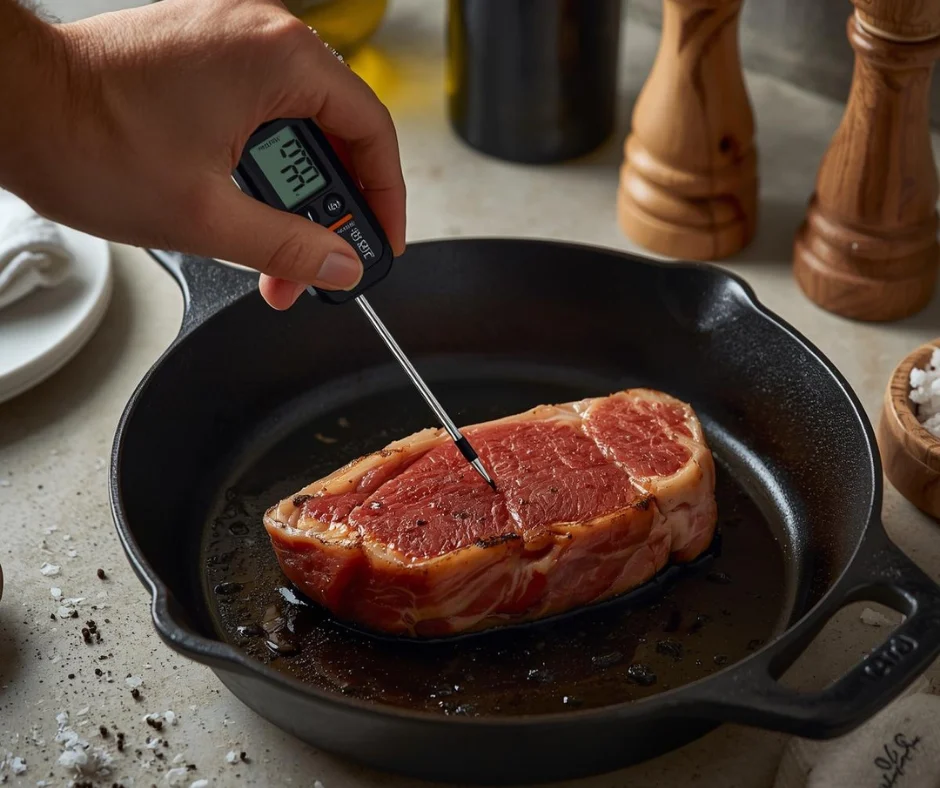
* Invest in a Good Thermometer: An instant-read meat thermometer is your absolute best friend when cooking tuna. Guessing can lead to overcooked, dry tuna. It’s the most reliable way to ensure you hit the precise internal temperature specified in What Temperature to Cook Tuna Steak?
The Full Guide.
* Get Your Pan HOT: A screaming hot pan is non-negotiable for a great sear. This creates a beautiful, caramelized crust quickly, while keeping the inside tender and moist.
If your pan isn’t hot enough, the tuna will steam rather than sear, and you won’t get that delicious texture.
* Don’t Overcrowd the Pan: Cook tuna steaks in batches if necessary. Overcrowding lowers the pan temperature, hindering the searing process.
Give each steak room to breathe and sear properly.
* Pat Dry, Always Dry: Moisture is the enemy of a good sear. Always pat your tuna steaks thoroughly dry with paper towels before seasoning and searing.
This ensures a crispy, flavorful exterior.
* Don’t Flip Too Soon: Let the tuna sear undisturbed for the recommended time on one side to develop a beautiful crust. Resist the urge to peek or move it around.
One flip is usually enough.
* Cook Quickly: Tuna steak cooks very fast, especially if you prefer it rare or medium-rare. Keep a close eye on it and remove it from the heat as soon as it reaches your desired internal temperature.
This rapid cooking is fundamental to understanding what temperature to cook tuna steak without drying it out.
* Rest the Meat: Just like with any steak, a brief rest allows the juices to redistribute throughout the tuna, keeping it tender and juicy. Don’t skip this step.
This final step completes your mastery of What Temperature to Cook Tuna Steak? The Full Guide.
Just as an instant-read thermometer ensures precision in cooking tuna, understanding precise biological processes can reveal fascinating insights into other aquatic life. For example, explore the intricate methods by which mussels contribute to their ecosystem by learning What Are Some Advantages of Filter Feeding in Mussels?
Storage & Reheating Tips
Tuna steak, especially when cooked to a beautiful medium-rare, tastes best enjoyed fresh, right off the pan. The delicate texture and flavor are at their peak then. However, if you do have leftovers, here’s how to handle them while keeping in mind the principles of what temperature to cook tuna steak.
* Storage: Allow any leftover tuna to cool completely to room temperature before storing. Place it in an airtight container and refrigerate promptly. Cooked tuna steak will keep safely in the refrigerator for up to 2-3 days.
* Reheating: Reheating tuna can be tricky, as it often leads to overcooking and a dry texture. If you must reheat, do so gently.
* Oven Method: Preheat your oven to a low temperature, around 275°F (135°C).
Place the tuna steak on a baking sheet, cover it loosely with foil, and warm for 10-15 minutes, or until just heated through. Check the internal temperature to ensure it doesn’t exceed the 130°F (54°C) mark for medium-rare, if that was your initial doneness.
* Skillet Method: You can also gently warm it in a lightly oiled skillet over very low heat, again, just until warmed through.
Be careful not to let it sit too long, or you will quickly venture far past the ideal ranges for what temperature to cook tuna steak.
* Cold Options: Consider enjoying leftover tuna cold! It makes a fantastic addition to salads, flaked into a wrap, or as part of a tuna bowl with rice and veggies. This prevents the risk of overcooking during reheating and preserves the quality of your perfectly cooked tuna.
What to Serve With This Recipe
A perfectly seared tuna steak, cooked just right by following What Temperature to Cook Tuna Steak? The Full Guide, deserves equally delicious companions. Keep it simple and fresh to complement the delicate flavor of the tuna.
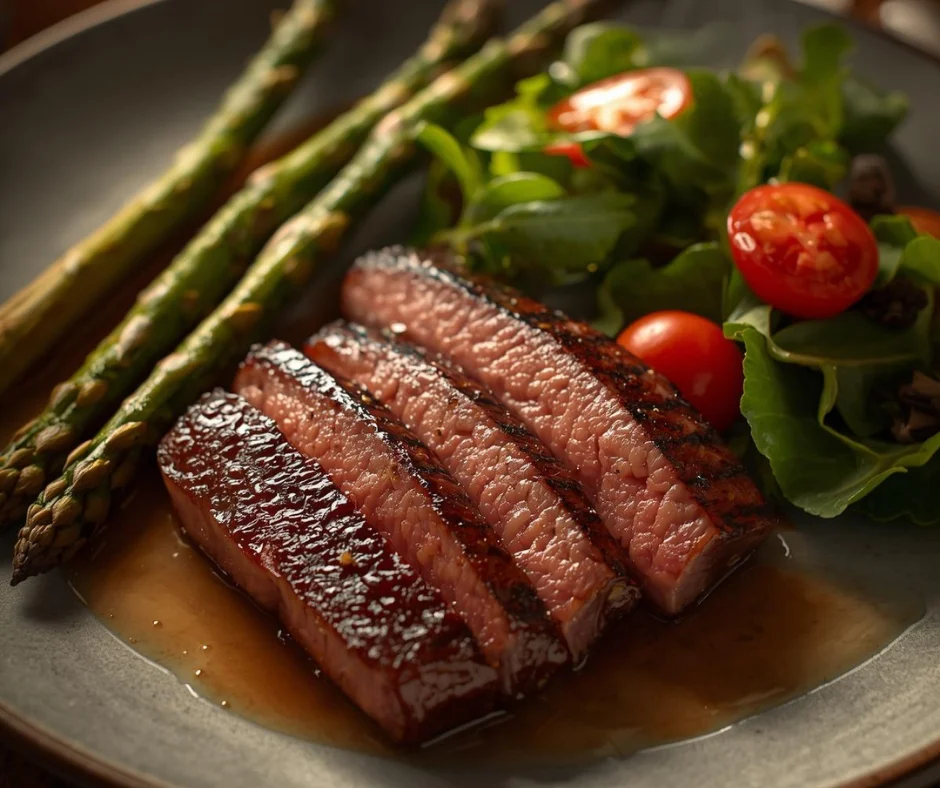
* Simple Green Salad: A crisp salad with mixed greens, cherry tomatoes, a light vinaigrette, and perhaps some cucumber offers a refreshing contrast.
* Roasted Asparagus or Green Beans: Lightly tossed with olive oil, salt, and pepper, then roasted until tender-crisp. They cook quickly and add vibrant color.
* Quinoa or Brown Rice: For a heartier meal, a side of fluffy quinoa or nutty brown rice provides a wonderful base for the tuna.
* Mediterranean Orzo Salad: A pasta salad with orzo, olives, feta, sun-dried tomatoes, and a lemon dressing adds a touch of sophistication.
* Grilled Vegetables: Zucchini, bell peppers, or eggplant, lightly grilled, bring a smoky sweetness that pairs beautifully with seared tuna.
* Lemon-Garlic Broccoli: Steamed or sautéed broccoli florets with a squeeze of fresh lemon juice and a hint of garlic are always a winner.
* Sweet Potato Fries: For a comforting, slightly indulgent side, oven-baked sweet potato fries are a great choice.
* Avocado Salad: Sliced avocado with red onion, cilantro, and lime juice provides creamy texture and bright flavor, perfectly complementing the rich tuna.
Pairing your perfectly cooked tuna with fresh, complementary side dishes elevates the entire meal experience. If you enjoy exploring premium seafood, you might also be curious about What’s Langoustine? A Guide to This Exquisite Delicacy!
FAQs
How do I know if my tuna is sushi-grade?
True sushi-grade tuna is typically labeled as such by the fishmonger. This designation means it has been handled and frozen to specific standards to ensure it is safe for raw consumption. Always purchase from a reputable source you trust.
If you’re unsure, it’s always best to cook it to at least medium-rare, using the precise temperatures outlined in What Temperature to Cook Tuna Steak? The Full Guide.
Can I cook tuna steak in an air fryer?
While technically possible, an air fryer generally won’t achieve the high-heat, crusty sear that makes tuna steak so delicious. It tends to cook more evenly, which can lead to a less desirable texture for tuna. For the best results and that signature crust, a hot skillet is highly recommended when following What Temperature to Cook Tuna Steak? The Full Guide.
What is the best pan for searing tuna steak?
A heavy-bottomed cast-iron skillet or a stainless steel pan is ideal. These pans retain heat exceptionally well and achieve the high temperatures necessary for a perfect, even sear. Non-stick pans are generally not recommended as they often don’t get hot enough to achieve the desired crust when cooking tuna to the specific temperatures outlined in What Temperature to Cook Tuna Steak? The Full Guide.
My tuna steak turned out grey and dry. What went wrong?
It sounds like your tuna was overcooked. Tuna cooks very quickly, and even a minute too long can turn it from tender and juicy to dry and chalky. This highlights the absolute importance of following the exact timing and internal temperature guidelines in What Temperature to Cook Tuna Steak?
The Full Guide. Use an instant-read thermometer consistently!
Should I thaw frozen tuna steaks before cooking?
Yes, absolutely. For the best results, thaw frozen tuna steaks completely in the refrigerator overnight. If you’re short on time, you can thaw them in a sealed plastic bag under cold running water for about 30-60 minutes.
Always pat them thoroughly dry before seasoning and searing, as moisture will prevent a good crust. This is crucial for maintaining control over what temperature to cook tuna steak.
Can I use a different oil for searing?
Yes, you can. Oils with a high smoke point are best. Avocado oil is an excellent choice, as is grapeseed oil or refined coconut oil.
Avoid extra virgin olive oil for searing at very high temperatures, as its smoke point is lower. A high-quality oil is key to getting that beautiful crust when you apply the principles of what temperature to cook tuna steak.
Cooking tuna steak to the ideal internal temperature is essential for achieving a desirable texture and flavor, ranging from rare to well-done based on personal preference. This precision in preparing seafood ensures both safety and an enjoyable dining experience. For more detailed information on the biological classification and characteristics of this popular fish, you can explore the Tuna entry.
Nutrition Information (per serving)
Seared tuna steak is not only delicious but also incredibly healthy! It’s a lean protein powerhouse, rich in essential nutrients. This information is an estimate and can vary based on the exact size of your steak and any added oils or seasonings, but it gives you a good idea of the goodness you’re getting by following What Temperature to Cook Tuna Steak? The Full Guide.
| Nutrient | Amount |
|---|---|
| Calories | 200-250 kcal |
| Protein | 35-40 g |
| Fat | 5-8 g |
| Saturated Fat | 1-2 g |
| Carbohydrates | 0-1 g |
| Fiber | 0 g |
| Sodium | 300-500 mg |
| Omega-3 Fatty Acids | Excellent Source |
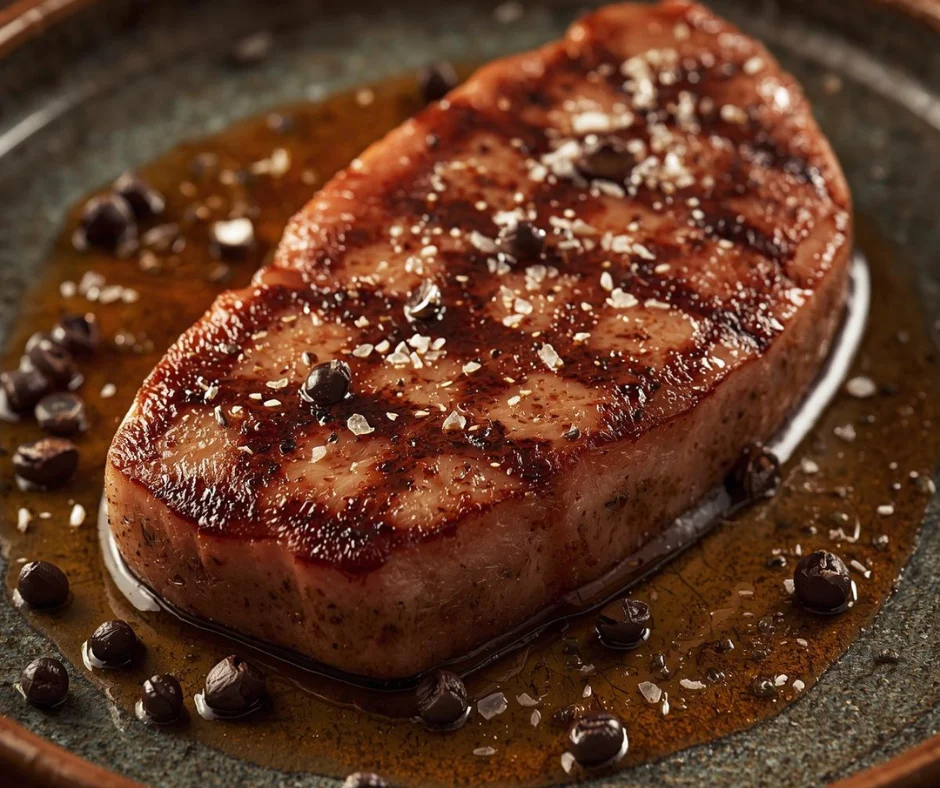
What Temperature to Cook Tuna Steak? The Full Guide
Ingredients
Method
- Prepare the Tuna: First, remove your tuna steaks from the refrigerator about 15-20 minutes before cooking. This helps them cook more evenly. Pat them thoroughly dry with paper towels. Excess moisture prevents a good sear. Season both sides generously with salt and black pepper.
- Heat the Pan: Place a heavy-bottomed skillet or cast-iron pan over high heat. Allow it to preheat for at least 3-5 minutes until it is smoking hot. A hot pan is crucial for a beautiful crust.
- Add Oil: Once the pan is screaming hot, add the olive or avocado oil. Swirl it around to coat the bottom. The oil should shimmer immediately.
- Sear the Tuna: Carefully place the seasoned tuna steaks in the hot pan. You should hear a satisfying sizzle! Sear for 1 to 2 minutes per side for rare to medium-rare tuna (the recommended doneness for flavor and texture). For a 1-inch thick steak, 90 seconds per side typically achieves a beautiful rare interior.
- Check Internal Temperature: Use an instant-read meat thermometer inserted into the thickest part of the steak. Rare: 115-120°F (46-49°C) – Cool red center. Medium-Rare: 125-130°F (52-54°C) – Warm red center (often considered ideal). Medium: 130-135°F (54-57°C) – Warm pink center. Medium-Well/Well-Done: Avoid cooking tuna past medium, as it becomes dry and loses its delicate flavor. However, if you prefer it more done, aim for 140°F (60°C).
- Rest the Tuna: Once your tuna reaches your desired internal temperature, remove it immediately from the pan. Place it on a cutting board and let it rest for 2-3 minutes. This allows the juices to redistribute, resulting in a more tender and flavorful steak.
- Slice and Serve: Slice the tuna against the grain into ½-inch thick pieces, or serve whole. Enjoy immediately!