Ingredients
Method
- Prepare Your Bundt Pan: First, generously grease and flour a 10-12 cup bundt pan. Use shortening or butter to coat every crevice, then dust with flour, tapping out the excess. Preheat your oven to 325°F (160°C).
- Combine Dry Ingredients: In a large bowl, whisk together the all-purpose flour, granulated sugar, baking powder, and salt. Make sure everything is well combined.
- Cream Butter and Sugar: In a separate large mixing bowl, using an electric mixer, cream together the softened unsalted butter and granulated sugar until light and fluffy. This can take 3-5 minutes. Scrap down the sides of the bowl as needed.
- Add Eggs: Beat in the eggs one at a time, mixing well after each addition. Make sure each egg is fully incorporated before adding the next.
- Incorporate Wet Ingredients: In a medium bowl, whisk together the whole milk, sour cream, vanilla extract, fresh lemon zest, and fresh lemon juice.
- Alternate Dry and Wet: With the mixer on low speed, add the dry ingredients to the wet ingredients in three additions, alternating with the milk mixture in two additions. Begin and end with the dry ingredients. Mix just until combined after each addition. Do not overmix!
- Pour into Pan: Pour the cake batter evenly into your prepared bundt pan. Smooth the top with a spatula.
- Bake: Bake for 60-70 minutes, or until a wooden skewer or toothpick inserted into the center of the cake comes out clean. Baking time can vary depending on your oven.
- Cool: Let the bundt cake cool in the pan on a wire rack for 10-15 minutes.
- Invert and Cool Completely: After 10-15 minutes, carefully invert the cake onto the wire rack to cool completely. Ensure it's fully cooled before glazing.
- Prepare the Glaze: While the cake cools, whisk together the powdered sugar and fresh lemon juice in a small bowl until smooth. Adjust the consistency by adding more powdered sugar for a thicker glaze or more lemon juice for a thinner one.
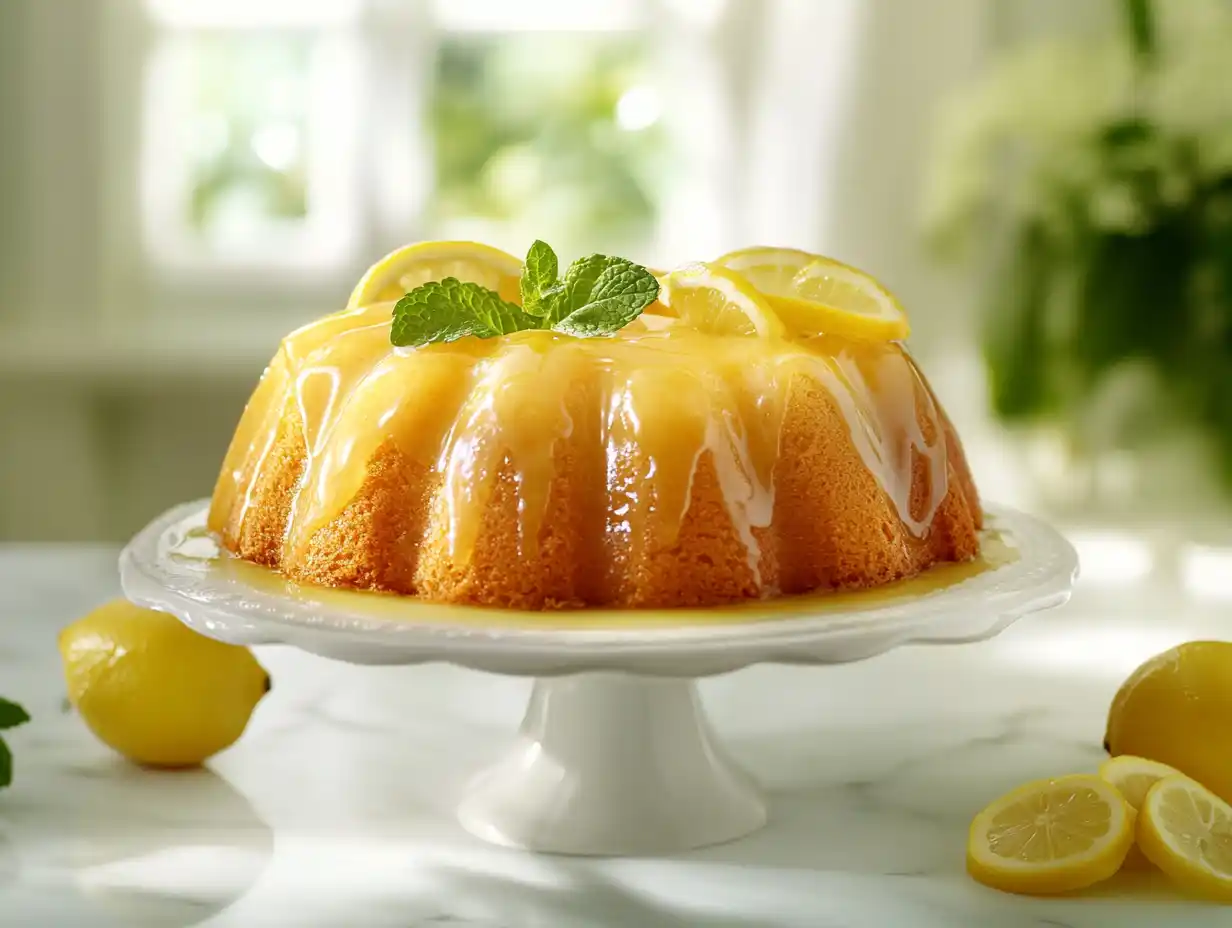
- Glaze the Cake: Once the cake is completely cool, drizzle the lemon glaze evenly over the top, letting it drip down the sides. Allow the glaze to set for a few minutes before slicing and serving.
Notes
Always ensure your butter, eggs, milk, and sour cream are at room temperature. Room temperature ingredients emulsify better, creating a smoother, more uniform batter and a lighter, more moist cake.
A well-greased and floured bundt pan is non-negotiable. Use shortening or softened butter, making sure to get into all the nooks and crannies. Then, generously flour the pan, tapping out any excess. This prevents sticking.
Don't Overmix: Overmixing develops gluten, leading to a tough, dry cake. Mix the batter *just until combined* after each addition. Lumps are okay.
Zest First, Then Juice: Always zest lemons before juicing. It's much easier to zest a whole lemon.
Sift Dry Ingredients: Sifting your flour, baking powder, and salt ensures they are well aerated and lump-free, contributing to a lighter crumb.
Don't Overbake: Start checking at the lower end of the baking time. A toothpick inserted into the center should come out with moist crumbs, not wet batter.
Cooling Process: Allow the cake to cool in the pan for 10-15 minutes before inverting. Let it cool completely on a wire rack before glazing for a non-runny glaze.
Lemon Glaze Consistency: Adjust your glaze consistency to your liking; less lemon juice for thick, more for thin.
Store the glazed bundt cake in an airtight container at room temperature for up to 3-4 days. For longer storage, refrigerate in an airtight container for up to a week, letting it come to room temperature before serving.
Freezing: Freeze unglazed cake tightly wrapped in plastic wrap and aluminum foil for up to 2-3 months. Thaw at room temperature for several hours or overnight, then apply glaze.
Reheating: Warm a slice in the microwave for 10-15 seconds for added moisture and fragrance.
Using fresh lemon juice and zest is highly recommended over bottled for a brighter, more vibrant flavor.
If the cake stuck, pan preparation (greasing and flouring thoroughly) was likely insufficient.
To check for doneness, insert a wooden skewer or toothpick into the center; it should come out clean or with a few moist crumbs. The cake should spring back slightly when gently pressed.
This recipe can be baked in two 9x5 inch loaf pans (50-60 min) or a 9x13 inch rectangular pan (40-50 min). Adjust baking time accordingly.
Bake batter immediately after mixing as leavening agents activate quickly; letting it sit can result in a less fluffy cake.