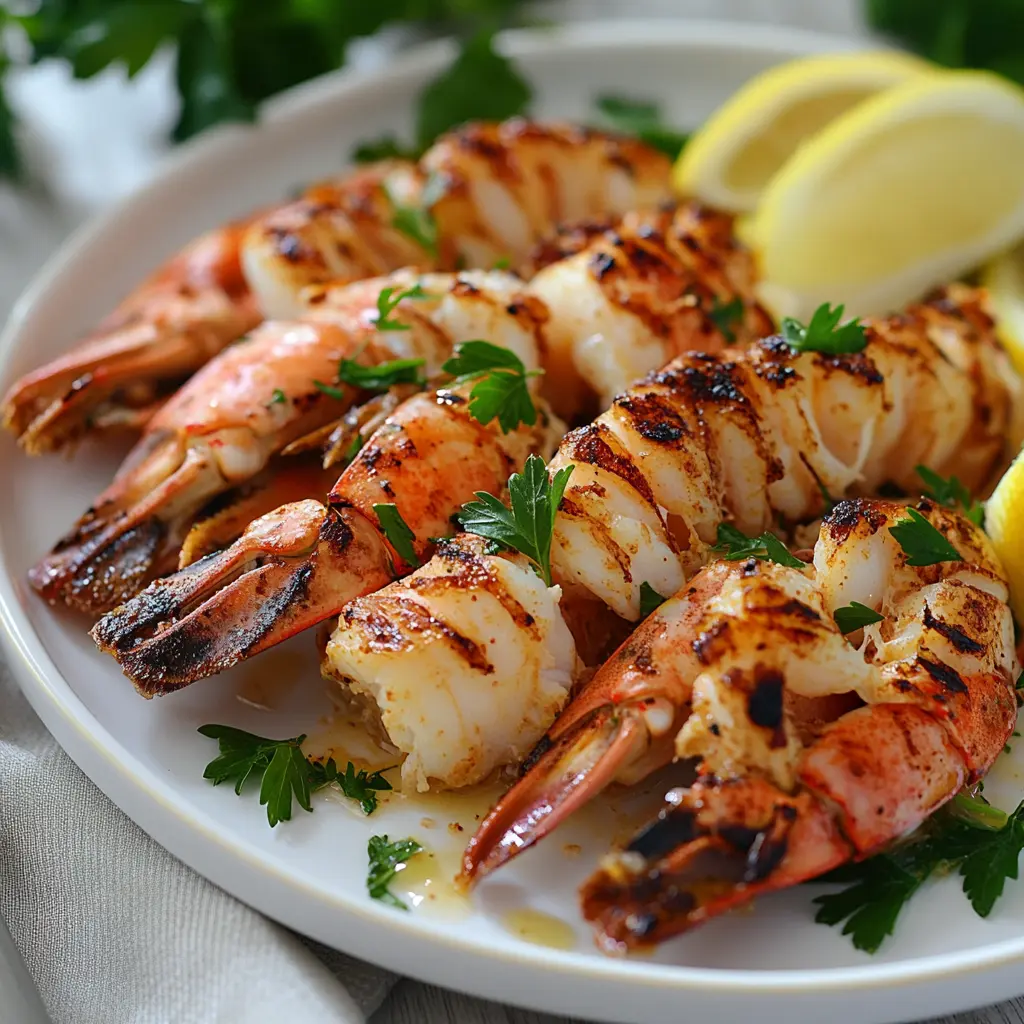
Ingredients
Method
- Select fresh langoustine tails with a firm texture, light pinkish-orange color, and a clean, briny scent. Avoid discoloration or strong fishy odors.
- If purchasing frozen tails, ensure they are individually quick frozen (IQF) and stored in vacuum-sealed packaging. Thaw frozen tails overnight in the refrigerator or submerge them in cold water; avoid hot water to preserve texture.
- To prepare, hold the langoustine tail firmly and gently twist and pull off the shell. For stubborn shells, use kitchen scissors to cut along the length.
- Make a shallow incision along the top of the tail with a small paring knife and lift out the dark digestive vein.
- Rinse the cleaned tails under cold running water and pat them thoroughly dry with a paper towel to ensure a good sear or proper absorption of marinades.
- For grilling or sautéing, marinate the tails in olive oil, lemon juice, minced garlic, salt, pepper, and fresh herbs (like parsley or thyme) for 20-30 minutes. For an elegant presentation, butterfly the tails by making a lengthwise cut down the middle without slicing all the way through, then spread them open gently.
- Choose your preferred cooking method: - **Grilling**: Brush tails with olive oil, season, and grill shell-side down for 2-3 minutes per side until opaque. - **Boiling**: Submerge tails in salted boiling water for 3-5 minutes, depending on size. - **Sautéing**: Cook tails in a hot skillet with butter, garlic, and herbs for 2-3 minutes per side until opaque and golden. - **Steaming**: Steam tails for 4-6 minutes, adding aromatics like bay leaves or lemon slices to the water for an extra flavor boost. - **Baking**: For a sophisticated dish, bake tails with a crust of breadcrumbs, garlic, and Parmesan cheese at 375°F (190°C) for 10-12 minutes until golden brown.
- Ensure langoustines are opaque and firm; remove them from heat as soon as they reach this state to avoid overcooking and a rubbery texture.
- Serve immediately with a drizzle of melted butter, a squeeze of fresh lemon, or paired with complementary ingredients like pasta, risotto, or fresh vegetables.
Notes
Proper storage is crucial: Refrigerate fresh tails below 4°C (40°F) for 24-48 hours. Freeze in vacuum-sealed bags for up to three months at -18°C (0°F).
Always avoid overcooking as langoustines cook quickly and become rubbery.
Use high heat for grilling or sautéing to ensure a quick sear and lock in moisture.
Look for MSC (Marine Stewardship Council) certification when purchasing to ensure sustainably sourced langoustines.