Ingredients
Method
- Define Your Goals: Clearly identify what you're looking for (e.g., high protein, low carb, specific flavor, vegan).
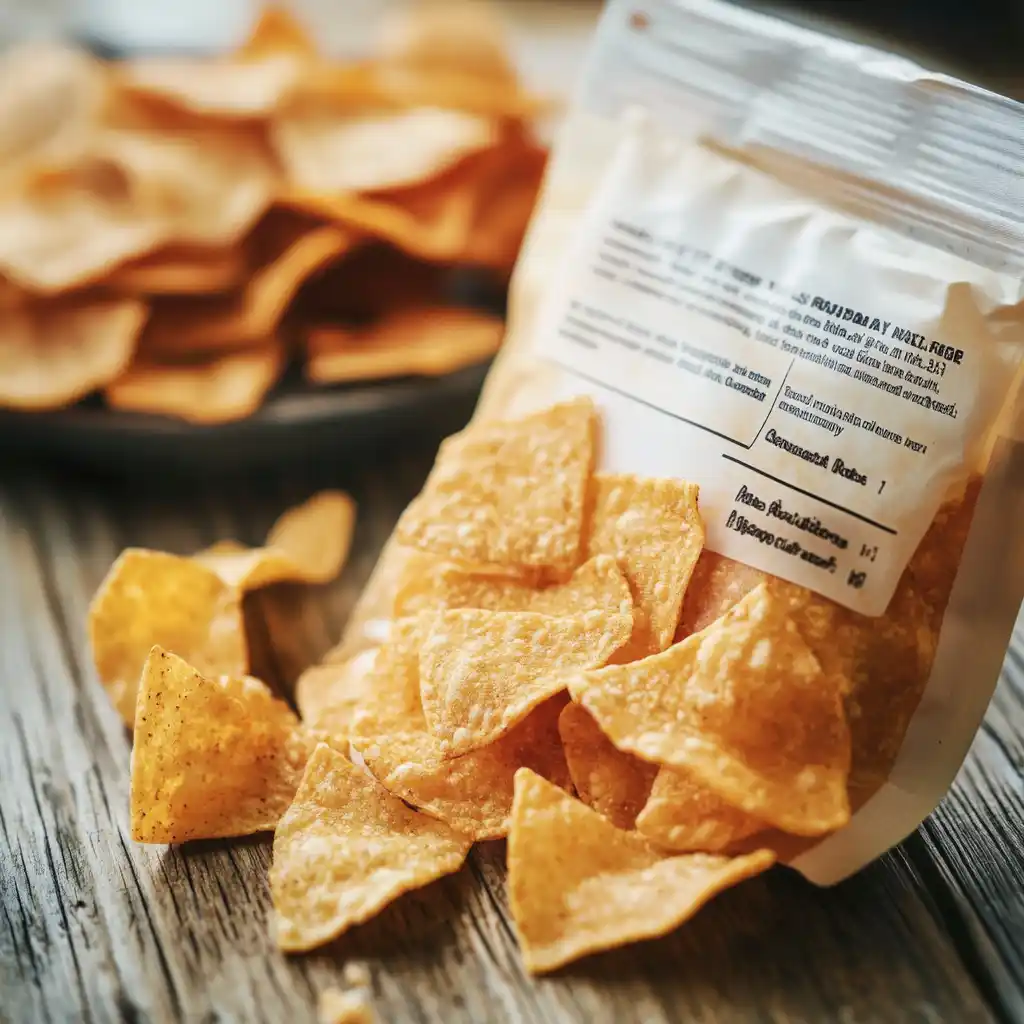
- Scan the Front of the Bag: Look for prominent claims like "high protein," "plant-based," or "gluten-free" to narrow down options.
- Flip to the Nutrition Facts Panel: Pay close attention to protein (aim for 8-10g+), fiber (2-3g+), sodium (lower is better), and minimal added sugars. Understand the serving size.
- Examine the Ingredient List: Prioritize shorter, simpler lists with whole food ingredients at the top, avoiding artificial flavors, colors, or excessive preservatives.
- Check the Protein Source: Identify if the protein is from whey, pea, soy, or egg whites, and match it with your dietary preferences or restrictions.
- Compare Brands and Flavors: Don't settle; compare nutritional profiles and ingredient quality across different brands.
- Consider Your Budget: Factor in the price, looking for sales or bulk options if you find a favorite.
- Read Reviews (if shopping online): Utilize consumer reviews for insights into taste and texture.
Notes
Always verify marketing claims on the front of the bag with the nutrition facts and ingredient list on the back.
Be realistic about serving sizes; adjust nutritional calculations based on how much you actually eat.
Prioritize chips with whole, recognizable ingredients and fewer unpronounceable substances.
If watching carb intake, consider 'net carbs' (total carbs minus fiber and sugar alcohols).
Taste test small bags of new brands or flavors before committing to larger purchases.
Look for third-party certifications like USDA Organic or Certified Gluten-Free for quality assurance.
Carefully check the ingredient list for artificial sweeteners if you prefer to avoid them.
Factor in price versus nutritional value; a slightly pricier option may offer significantly better ingredients and protein content.
For storage, keep bags tightly sealed with a clip or transfer to an airtight container to preserve crispness.
Store chips in a cool, dry place away from direct sunlight, heat, and humidity.
Avoid crushing protein chips by storing them in a safe location.
Always check the 'best by' date for optimal freshness and flavor.
Consider individual serving bags for portion control and sustained freshness.