
That afternoon, the kids burst through the door, a whirlwind of energy and immediate hunger. “Mom, can I have chips?” my youngest, Leo, asked, his eyes already darting toward the pantry. My heart sank a little.
While I love a good crunchy snack as much as the next person, I always strive for options that offer a bit more nutritional bang for their buck. That’s when I remembered my quest to truly understand how to choose protein chips. It’s more than just grabbing the first bag you see; it’s about making smart choices for our family’s well-being.
I wanted something that would satisfy their craving for crunch but also give them sustained energy, not just a sugar crash. Over the past few months, I’ve done my homework, comparing brands, reading labels, and learning all the tricks. This “recipe” isn’t about cooking; it’s about mastering the art of selecting the perfect protein-packed snack for your pantry.
I’ve discovered the secrets to confidently answering the question, “How to choose protein chips?” so you can fuel your family with delicious, nourishing options every single time. Come along, and let’s tackle this snack dilemma together.
Why You’ll Love This Recipe
This isn’t a recipe you cook; it’s a guide you live by. You will absolutely love mastering how to choose protein chips because it simplifies your snack life dramatically. Imagine confident grocery runs, knowing exactly what to look for and what to avoid.
This strategic approach ensures your pantry is stocked with snacks that truly support your family’s health goals. You gain peace of mind, knowing you are providing delicious, satisfying, and nutritionally superior options. No more guilt over snack choices!
This “recipe” empowers you to select protein chips that curb cravings, sustain energy, and taste fantastic. It transforms snack time from a nutritional minefield into a moment of genuine enjoyment. Learning how to choose protein chips correctly means fewer processed ingredients, more valuable protein, and ultimately, happier, healthier tummies all around.
Ingredients You’ll Need
Think of these “ingredients” as the crucial criteria for evaluating any bag of protein chips. These are the factors you must consider when you ponder how to choose protein chips effectively. Mastering these points ensures you pick the best possible snack.
- Protein Source: Is it whey, pea, soy, egg white, or something else? Each offers unique benefits and caters to different dietary needs.
- Flavor Profile: Does it sound delicious and appeal to your family’s tastes?
- Sodium Content: Keep an eye on this. Many savory snacks can be surprisingly high.
- Fiber Content: A good amount of fiber aids digestion and increases satiety.
- Ingredient List: Shorter, simpler lists with recognizable ingredients are always preferred.
- Calorie Count: Consider this in the context of serving size and your overall dietary goals.
- Brand Reputation: Do your research. Some brands consistently offer higher quality.
- Texture Preference: Do you like a crunchy, airy, or more substantial chip?
Substitutions & Variations
Understanding substitutions and variations is key when you’re learning how to choose protein chips that fit various needs. The market offers a wonderful array of options, making it easier to find something for everyone.
Protein Sources:
* Whey Protein Isolate: A dairy-based, complete protein. Great for muscle support. If you avoid dairy, this is not your choice.
* Pea Protein: An excellent plant-based option, often found in vegan protein chips. It’s naturally gluten-free.
* Soy Protein: Another plant-based complete protein.
Some people avoid soy, so check labels carefully if this is a concern.
* Egg White Protein: A high-quality, dairy-free protein source, offering a neutral flavor.
* Collagen: Less common in chips, but you might find it. It’s great for skin, hair, and joints.
Flavor Profiles:
The variations are endless! You will find classic choices like BBQ, sour cream and onion, and cheddar, alongside more adventurous options such as spicy dill pickle, sweet chili, or even pizza flavor. When deciding how to choose protein chips based on flavor, think about what you usually enjoy and what might pair well with dips or other snacks. Don’t be afraid to try new things!
Dietary Needs:
* Gluten-Free: Many protein chips are naturally gluten-free, especially those made from pea or egg white protein, but always confirm with the label.
* Dairy-Free/Vegan: Pea protein chips are your best bet here. Look for “dairy-free” or “vegan” certifications.
* Low-Carb/Keto-Friendly: Some brands specifically formulate chips with very low net carbs. This is a crucial factor when you learn how to choose protein chips for specific diet plans.
* Allergen-Friendly: Always check for common allergens like nuts, soy, and dairy. Brands often highlight “free from” statements.
Exploring these variations allows you to fine-tune your selection process, ensuring you always pick the best protein chips for your unique lifestyle.
Just as understanding protein sources helps you tailor your chip choices, knowing the right ingredients can transform your breakfast. For another amazing way to customize your morning meal, discover how to make the perfect sweet & savory homemade McGriddle breakfast sandwich.
Step-by-Step Instructions
Navigating the snack aisle can feel overwhelming. These step-by-step instructions provide a clear roadmap on how to choose protein chips efficiently and effectively, ensuring you bring home the best options every time.
- Define Your Goals: Before you even look at a bag, ask yourself: What am I looking for? High protein? Low carb? Specific flavor? Vegan? Knowing your priorities makes the selection process much simpler. This initial clarity is vital for understanding how to choose protein chips that truly meet your needs.
- Scan the Front of the Bag: Look for clear claims like “high protein,” “plant-based,” or “gluten-free.” These initial indicators help narrow down your options quickly. Many brands make it easy to spot their key selling points.
- Flip to the Nutrition Facts Panel: This is your best friend. Pay close attention to:
- Protein Content: Aim for at least 8-10 grams per serving for a significant protein boost.
- Fiber: Look for 2-3 grams or more per serving to aid digestion and fullness.
- Sodium: Compare brands. Lower is generally better, especially if you monitor your salt intake.
- Sugars: Ensure added sugars are minimal or non-existent. Sweeteners can sneak in.
- Serving Size: Understand how many chips constitute a serving. This helps manage your intake.
This detailed review is fundamental to understanding how to choose protein chips with solid nutritional value.
- Examine the Ingredient List: A shorter, simpler list usually indicates fewer processed ingredients. Look for whole food ingredients at the top. Be wary of artificial flavors, colors, and excessive preservatives. Recognizing familiar ingredients empowers you when thinking how to choose protein chips wisely.
- Check the Protein Source: As discussed in substitutions, identify if the protein comes from whey, pea, soy, or egg whites. Match this with your dietary preferences or restrictions. This is a critical step in deciding how to choose protein chips that align with your health journey.
- Compare Brands and Flavors: Don’t settle for the first option. Compare a few different brands side-by-side. You might find significant differences in nutritional profiles, ingredient quality, and taste. Trying a variety helps you learn how to choose protein chips that genuinely satisfy your cravings.
- Consider Your Budget: Protein chips can sometimes be pricier than traditional chips. Factor this into your decision. Look for sales or buy in bulk if you find a favorite.
- Read Reviews (if shopping online): If you are considering an online purchase, reviews can offer valuable insight into taste and texture from other consumers.
Following these steps empowers you to confidently answer the question: how to choose protein chips that are perfect for you and your family. You become an informed, savvy snack selector!
Pro Tips for Success
Becoming a pro at how to choose protein chips involves a bit more than just reading labels. These insider tips will help you make even smarter choices and truly elevate your snack game.
* Don’t Just Go by Marketing Claims: Brands often highlight “low fat” or “high fiber” on the front. Always flip to the back and verify these claims with the nutrition facts and ingredient list. Marketing can be misleading, so empower yourself to see past it.
* Understand Serving Sizes: A “serving” might seem small for a satisfying snack. Be realistic about how much you actually eat and adjust your nutritional calculations accordingly. This understanding is key to truly evaluating how to choose protein chips that fit your caloric intake.
* Prioritize Whole, Recognizable Ingredients: The fewer unpronounceable ingredients, the better. Opt for chips where the first few ingredients are actual food items, not chemicals or highly refined substances. This is a golden rule for healthy snacking.
* Consider the “Net Carbs”: If you’re watching your carb intake, look at total carbs minus fiber and sugar alcohols (if present) for a more accurate picture of impact on blood sugar. Many low-carb eaters use this metric when deciding how to choose protein chips.
* Taste Test Small Bags First: Before committing to a large multi-pack, buy a single bag of a new flavor or brand.
Taste is subjective, and what one person loves, another might not. This small investment prevents snack-aisle regret.
* Look for Third-Party Certifications: Certifications like “USDA Organic,” “Non-GMO Project Verified,” or “Certified Gluten-Free” offer an extra layer of assurance regarding ingredient quality and processing standards.
These can guide you on how to choose protein chips from reputable sources.
* Check for Artificial Sweeteners: Some protein chips, especially those trying to achieve a specific flavor profile without sugar, might use artificial sweeteners. If you prefer to avoid these, scan the ingredient list carefully.
* Factor in Price vs. Value: While some protein chips can be pricier, consider the nutritional value you are getting. Sometimes, a slightly more expensive option provides significantly better ingredients and protein content. It’s an investment in your health.
Beyond just marketing claims, making informed choices about your snacks applies to all ingredients in your kitchen. If you’re looking for precision in your meal prep, you’ll want to check out our ultimate guide on how much shredded cheese on 1 hard shell taco.
Storage & Reheating Tips
Once you’ve expertly navigated how to choose protein chips and brought them home, proper storage ensures they remain fresh and delicious. Protein chips don’t require “reheating” as they are a ready-to-eat snack, but maintaining their crispness is crucial.
* Keep Bags Sealed: The primary enemy of chips is air, which causes them to go stale. Always ensure the bag is tightly sealed after opening. Use a chip clip, a rubber band, or transfer them to an airtight container.
This is essential for preserving the satisfying crunch.
* Store in a Cool, Dry Place: Humidity can quickly turn crispy chips into soggy disappointments. Keep them away from direct sunlight, heat sources, and damp areas like above the stove or near a steamy kettle.
A pantry or cupboard is ideal.
* Avoid Crushing: Protein chips can sometimes be more delicate than traditional potato chips. Store them in a location where they won’t get crushed by heavier items, preserving their shape and texture.
* Check Expiration Dates: While protein chips generally have a good shelf life, always check the “best by” date on the packaging. Consume them before this date for optimal freshness and flavor.
* Consider Individual Portions: If you struggle with portion control, look for protein chips sold in individual serving bags.
This helps manage intake and keeps the remaining chips fresh until you’re ready to enjoy them. This also relates back to how to choose protein chips with appropriate serving sizes from the start.
By following these simple storage tips, your carefully selected protein chips will remain perfectly snackable whenever hunger strikes.
What to Serve With This Recipe
Now that you’re a pro at how to choose protein chips, let’s talk about how to incorporate them into your meals and snacks. These versatile crisps aren’t just for standalone munching; they can elevate a variety of dishes.
* Your Favorite Dips: Protein chips are fantastic with classic dips. Think hummus for extra protein and fiber, guacamole for healthy fats, or a vibrant salsa. They offer a sturdy crunch that holds up well.
* Alongside a Sandwich or Wrap: Replace traditional potato chips with protein chips for a healthier, more filling side. They add a satisfying crunch without compromising your nutritional goals.
* Crumbled on Salads: Add a delightful texture and protein boost to your greens.
Crumble a handful over a Caesar salad or a mixed green salad for an unexpected crunch.
* Soup Topping: Just like croutons, crushed protein chips make an excellent topping for creamy soups like tomato or broccoli cheddar.
* With Cheese and Fruit: Create a mini protein-packed snack platter.
Pair your chosen protein chips with some cheese cubes, apple slices, or grapes for a balanced and delicious treat.
* As a Crumb Coating: Get creative! Crush plain protein chips and use them as a “breading” for baked chicken tenders or fish fillets.
It’s a clever way to add extra protein and crunch.
* Next to a Protein Shake: For an ultimate post-workout snack, enjoy your protein chips alongside a protein shake. You get both savory and sweet satisfaction, plus a double dose of muscle-building power.
* In a Lunchbox: Protein chips are a fantastic addition to school or work lunchboxes, providing a satisfying and healthier alternative to many snack foods. My kids absolutely love finding them in their lunch!
No matter how you serve them, incorporating your chosen protein chips makes for a smart, satisfying addition to any meal or snack time.
Incorporating protein chips into various meals highlights their versatility, much like creating foundational ingredients from scratch. To further expand your culinary skills by mastering homemade components, learn how to make taco shells for truly fresh and customizable meals.
FAQs
Are protein chips truly healthy?
When you expertly master how to choose protein chips, they can absolutely be a healthier snack option. They offer a significant protein boost, which helps with satiety and muscle maintenance, often with less fat and fewer refined carbs than traditional potato chips. However, “healthy” is relative.
Always check the nutrition label for sodium, added sugars, and artificial ingredients. The key is making informed choices.
What’s the best protein source for chips?
The “best” protein source depends on your dietary needs. Whey protein is excellent for muscle building, but it’s dairy-based. Pea protein is a fantastic plant-based alternative, suitable for vegans and those avoiding dairy.
Egg white protein is also a great dairy-free option. When you consider how to choose protein chips, match the protein source to your personal preferences and dietary restrictions.
Can kids eat protein chips?
Yes, kids can definitely enjoy protein chips! Many varieties are a much better option than sugary snacks or highly processed chips. Look for brands with lower sodium and simpler ingredient lists.
My kids love them, and it makes me feel good knowing they’re getting extra protein. Always ensure the chip texture is appropriate for your child’s age to prevent choking hazards. This is an important consideration when learning how to choose protein chips for the whole family.
How do I avoid unhealthy ingredients in protein chips?
To avoid unhealthy ingredients, focus on the ingredient list. Look for shorter lists, whole food ingredients (like peas, potatoes, or egg whites) at the top, and minimal artificial flavors, colors, or preservatives. Steer clear of excessive added sugars or very high sodium levels. Empower yourself by carefully reading labels; it’s central to how to choose protein chips wisely.
Are all protein chips gluten-free?
No, not all protein chips are inherently gluten-free. While many are made with ingredients like pea or egg white protein, which are naturally gluten-free, some may contain gluten-containing ingredients or be processed on shared equipment. If gluten is a concern, always look for a “Certified Gluten-Free” label on the packaging. This detail is crucial when understanding how to choose protein chips for specific dietary needs.
Choosing protein chips involves evaluating nutritional labels and ingredient lists to find options that support dietary goals. These snacks often leverage various protein sources, fitting into broader categories of dietary supplements designed to enhance nutritional intake.
Nutrition Information (per serving)
When you learn how to choose protein chips, understanding the nutrition label is paramount. This table provides a general guideline of what to look for per serving (typically 1 oz or about 28g). Actual values will vary significantly by brand and flavor, so always check the specific product’s label.
| Nutrient | Target Range (per serving) | Why It Matters |
|---|---|---|
| Calories | 120-150 kcal | Contributes to overall energy intake. Keep within your daily goals. |
| Protein | 8-15g | Key for satiety, muscle repair, and growth. This is the main reason you’re looking for protein chips! |
| Total Fat | 4-8g | Provides energy and helps absorb vitamins. Look for healthier fats. |
| *Saturated Fat* | 1-2g | Limit intake. Lower is generally better for heart health. |
| Total Carbohydrates | 8-15g | Energy source. Consider net carbs if on a low-carb diet. |
| *Dietary Fiber* | 2-4g | Aids digestion, promotes fullness, and helps stabilize blood sugar. |
| *Total Sugars* | < 2g | Minimize added sugars. Naturally occurring sugars are okay. |
| Sodium | 150-250mg | Keep an eye on this. Many savory snacks can be high. |
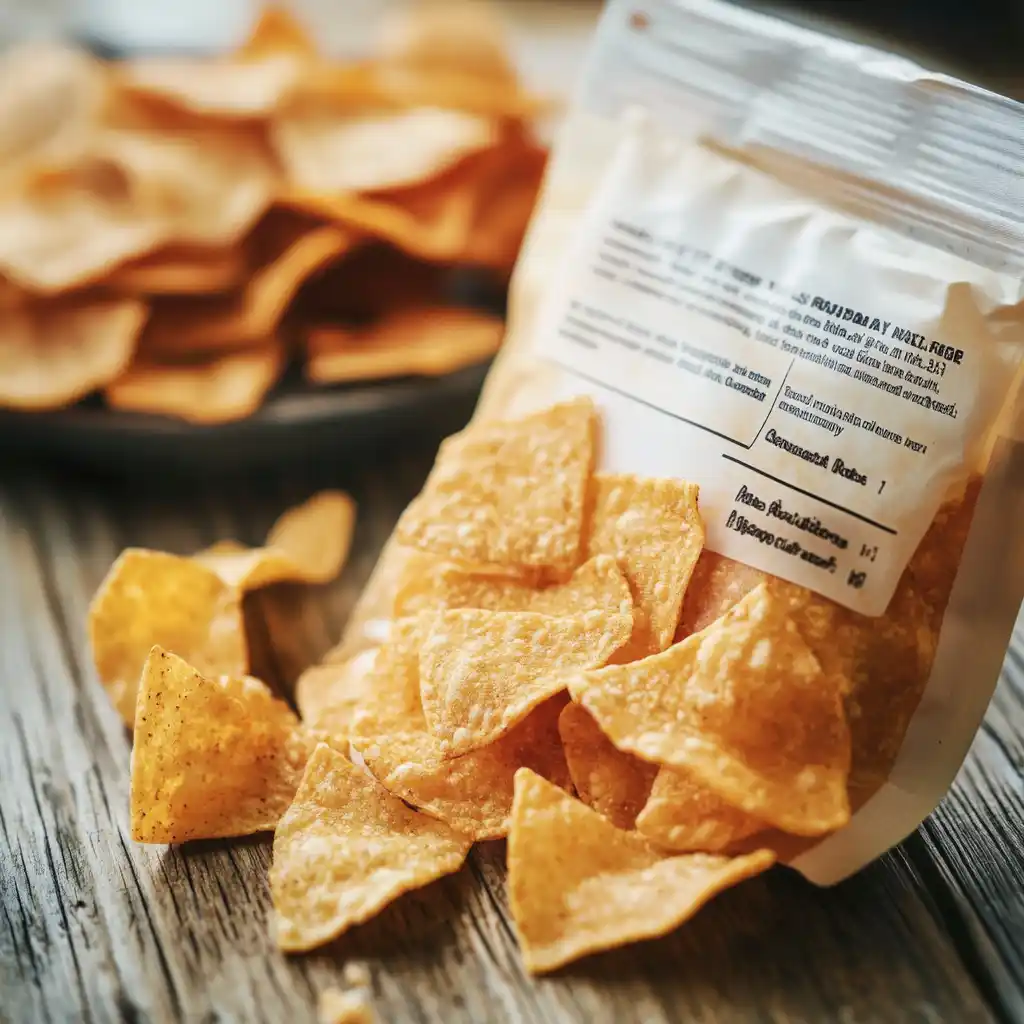
How to Choose Protein Chips?
Ingredients
Method
- Define Your Goals: Clearly identify what you're looking for (e.g., high protein, low carb, specific flavor, vegan).
- Scan the Front of the Bag: Look for prominent claims like "high protein," "plant-based," or "gluten-free" to narrow down options.
- Flip to the Nutrition Facts Panel: Pay close attention to protein (aim for 8-10g+), fiber (2-3g+), sodium (lower is better), and minimal added sugars. Understand the serving size.
- Examine the Ingredient List: Prioritize shorter, simpler lists with whole food ingredients at the top, avoiding artificial flavors, colors, or excessive preservatives.
- Check the Protein Source: Identify if the protein is from whey, pea, soy, or egg whites, and match it with your dietary preferences or restrictions.
- Compare Brands and Flavors: Don't settle; compare nutritional profiles and ingredient quality across different brands.
- Consider Your Budget: Factor in the price, looking for sales or bulk options if you find a favorite.
- Read Reviews (if shopping online): Utilize consumer reviews for insights into taste and texture.