
The smell of cinnamon and warm apples always transports me back. I remember those lazy Saturday afternoons, my kitchen counter dusted with flour, little hands eagerly helping me press pie dough into a pan. My eldest, Leo, would always sneak a piece of raw crust, while Maya, my middle child, carefully arranged apple slices in perfect concentric circles.
And little Noah? Well, he mostly just supervised from his high chair, his eyes wide with anticipation.
For me, food is love. It’s about creating memories, sharing moments, and nourishing not just bodies, but souls. Pies, in particular, hold a special place in my heart.
They symbolize comfort, celebration, and the simple joy of coming together. However, life with three kids is a whirlwind, and elaborate recipes just don’t always fit into our busy schedule. That’s why I’m always on the hunt for quick, straightforward, and utterly delicious options.
Over the years, I’ve gathered a collection of my go-to recipes, the ones that deliver maximum flavor with minimal fuss. I’m so excited to share my hand-picked list of 23 Easy Pie Recipes with you. This isn’t just a list; it’s a culinary hug, a compilation designed for busy parents, budding bakers, or anyone who wants to bring a little extra warmth to their table without spending hours in the kitchen.
Whether you crave sweet fruit pies, decadent cream pies, or hearty savory options, you’ll discover a simple, satisfying pie recipe here. Get ready to fill your home with irresistible aromas and create some delicious new memories!
Why You’ll Love These Easy Pie Recipes
You juggle so much every single day. Therefore, you need recipes that truly deliver without adding extra stress. This collection of easy pie recipes offers exactly that – and so much more!
First, these recipes are incredibly straightforward. We skip complicated techniques, focusing instead on simple ingredients and clear instructions. You will confidently bake beautiful pies, even if you consider yourself a beginner.
Furthermore, versatility is key. We include a fantastic range, from classic apple and berry pies to rich chocolate cream and savory chicken pot pies. You’ll find something for every craving and every occasion.
Need a quick dessert for a potluck? We have you covered. Planning a comforting family dinner?
Look no further. Moreover, baking these pies fills your home with the most incredible aromas. Imagine the scent of warm spices and sweet fruit wafting through your kitchen!
It creates an inviting, homey atmosphere everyone loves. Finally, these pies are designed for nourishment and enjoyment. Each recipe uses wholesome ingredients where possible, ensuring a delicious and satisfying treat for your family. You will cherish the moments of baking and sharing these delightful creations.
Ingredients You’ll Need
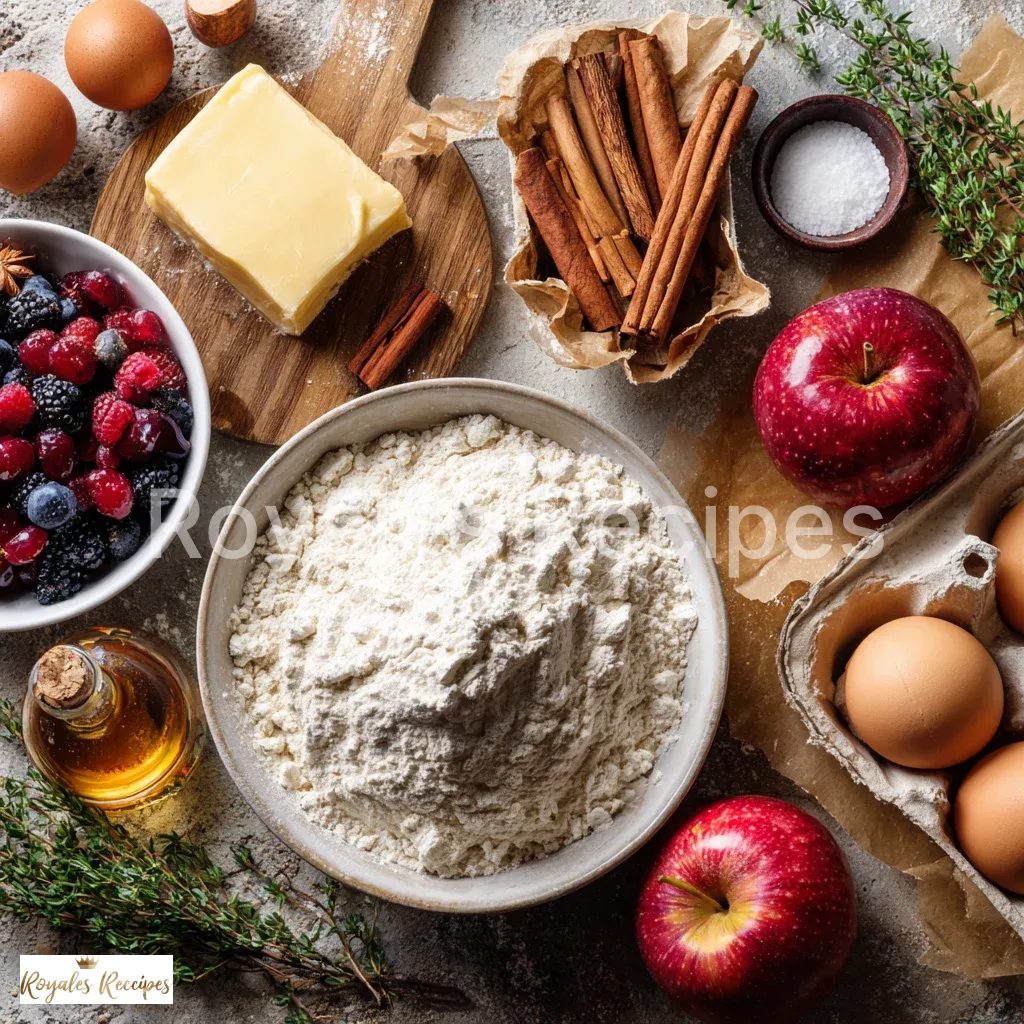
While each of our 23 easy pie recipes features unique ingredients, many pies share common foundational components. Having these staples on hand streamlines your baking process tremendously. You will always be ready to whip up a delicious treat.
Below, I’ve outlined some general categories and typical ingredients you’ll encounter. Remember to check individual recipe instructions for precise measurements and specific items.
For the Crust (Sweet & Savory Pies)
| Ingredient Category | Common Ingredients | Purpose |
|---|---|---|
| Flour | All-purpose flour, pastry flour | Provides structure and body to the crust. |
| Fat | Unsalted butter (cold), vegetable shortening, lard | Creates flakiness and richness. Cold fat is crucial! |
| Liquid | Ice water | Hydrates the flour, binds the dough, keeps the fat cold. |
| Seasoning | Granulated sugar (sweet), salt | Enhances flavor and balances taste. |
| Optional | Graham cracker crumbs, digestive biscuits, melted butter (for crumb crusts) | Alternative for no-bake or simple baked crumb crusts. |
For the Fillings (General)
- Fruits: Fresh or frozen berries (strawberries, blueberries, raspberries), apples, peaches, cherries, rhubarb.
- Sweeteners: Granulated sugar, brown sugar, maple syrup, honey.
- Thickeners: Cornstarch, all-purpose flour, tapioca starch, arrowroot powder.
- Spices: Cinnamon, nutmeg, allspice, ginger, vanilla extract.
- Dairy: Heavy cream, whole milk, sweetened condensed milk, cream cheese (for cream pies).
- Eggs: Whole eggs, egg yolks (for custards and binding).
- Flavorings: Cocoa powder, chocolate chips, lemon juice, citrus zest, extracts (almond, peppermint).
For Savory Pies
- Proteins: Cooked chicken, ground beef, leftover turkey, ham.
- Vegetables: Peas, carrots, potatoes, onions, celery, mushrooms, corn.
- Broth: Chicken broth, vegetable broth, beef broth.
- Thickeners: Flour, cornstarch (for gravies/sauces).
- Seasonings: Salt, black pepper, herbs (thyme, rosemary, sage).
Substitutions & Variations
Cooking at home means flexibility, and these 23 easy pie recipes are wonderfully adaptable. You can easily make smart substitutions and create exciting variations to suit your taste, dietary needs, or what you have on hand. Don’t be afraid to experiment!
Crust Creativity
- Store-Bought vs. Homemade: Life gets busy. Absolutely use a good quality store-bought pie crust! They save precious time and still deliver delicious results. For a homemade touch, consider a simple all-butter crust or a flaky shortening crust.
- Crumb Crusts: Not a fan of traditional pastry? Opt for a graham cracker crust, vanilla wafer crust, or even an Oreo cookie crust. These work beautifully for many no-bake and cream pies. Simply crush the cookies or crackers, mix with melted butter and a little sugar, then press into your pie dish.
- Gluten-Free: Many excellent gluten-free pie crust mixes are available. You can also make a GF crumb crust using gluten-free graham crackers.
Filling Fantastic
- Fruit Swaps: Most fruit pie recipes are forgiving. If a recipe calls for apples, but you have a bounty of peaches, go for it! Berries often interchange seamlessly. Just be mindful of the liquid content; some fruits release more juice, so you might need a touch more thickener.
- Sweetener Adjustments: Feel free to reduce the sugar slightly in fruit pies if your fruit is very sweet. You can also substitute granulated sugar with brown sugar for a deeper, more caramel-like flavor, especially in apple or pecan pies. Maple syrup or honey can work in some recipes, too, but be aware they add liquid.
- Spice it Up: Experiment with different spice combinations. A touch of cardamom in an apple pie, a hint of almond extract in a cherry pie, or a pinch of ginger in a pumpkin pie can elevate the flavor profile.
- Cream Pie Flavors: For cream pies, the possibilities are endless! Vanilla extract is classic, but try almond, coconut, or peppermint extract. Add chocolate chips, shredded coconut, or a swirl of caramel.
- Savory Enhancements: For savory pies like chicken pot pie, bulk it up with extra vegetables like potatoes, sweet potatoes, or green beans. Swap chicken for leftover turkey or cooked ham. A pinch of fresh herbs like thyme or rosemary makes a big difference.
Topping Transformations
- Classic Lattice: A beautiful lattice top is always impressive, but a simple full top crust with a few vent slits works just as well.
- Crumb Topping (Streusel): For a different texture, try a buttery crumb topping made from flour, sugar, and cold butter. It adds a wonderful crunch to fruit pies.
- Whipped Cream & Meringue: Many cream pies are enhanced by a generous dollop of homemade whipped cream or a fluffy meringue topping.
- Ice Cream: Always a fantastic choice for serving, but also a great “topping” if you consider it an addition at serving time!
Remember, these recipes are a starting point. Embrace the opportunity to make them your own!
Step-by-Step Instructions
While our 23 easy pie recipes cover a fantastic variety, the general process for making a delicious pie follows a consistent, straightforward path. I’ve broken down the essential steps here. Always consult your specific chosen recipe for precise measurements, baking times, and any unique instructions.
1. Choose Your Pie & Gather Ingredients
- Select a Recipe: First, pick one of the 23 easy pie recipes that excites you most!
- Read Thoroughly: Next, read the entire recipe from start to finish. This helps you understand the process and avoids surprises.
- Prep Your Mise en Place: Gather all your ingredients and measure them out before you begin. This makes the cooking process smooth and enjoyable.
2. Prepare the Pie Crust
- Homemade Dough: If making a traditional pastry crust, follow your recipe carefully. Combine cold butter or shortening with flour and salt. Add ice water a tablespoon at a time until the dough just comes together. Avoid overworking the dough; this keeps it flaky. Chill the dough for at least 30 minutes.
- Roll Out: On a lightly floured surface, roll out your chilled dough to a 12-13 inch circle.
- Fit the Pan: Carefully transfer the dough to a 9-inch pie plate. Trim the edges, leaving about a 1/2-inch overhang.
- Crimping: Fold the overhang under, then crimp the edges decoratively using your fingers or a fork.
- Crumb Crust: For a crumb crust, simply mix crushed cookies/crackers with melted butter and sugar. Press firmly into the pie plate and chill or bake as directed.
- Blind Baking (if needed): Some recipes require blind baking the crust before filling. Line the unbaked crust with parchment paper, fill with pie weights or dried beans, and bake according to recipe instructions until lightly golden. Remove weights and paper, then continue baking if the recipe specifies.
3. Make the Filling
- Fruit Fillings: In a large bowl, gently toss your chosen fruit with sugar, thickener (like cornstarch or flour), spices, and any citrus juice or zest. Ensure the fruit is evenly coated.
- Cream/Custard Fillings: Whisk together eggs, sugar, milk/cream, and flavorings in a saucepan. Cook over medium heat, stirring constantly, until the mixture thickens. Strain if desired for extra smoothness.
- Savory Fillings: Sauté vegetables, cook protein, and then combine with broth, thickeners, and seasonings to create a rich, flavorful sauce.
4. Assemble the Pie
- Pour Filling: Pour your prepared filling into the unbaked or blind-baked pie crust.
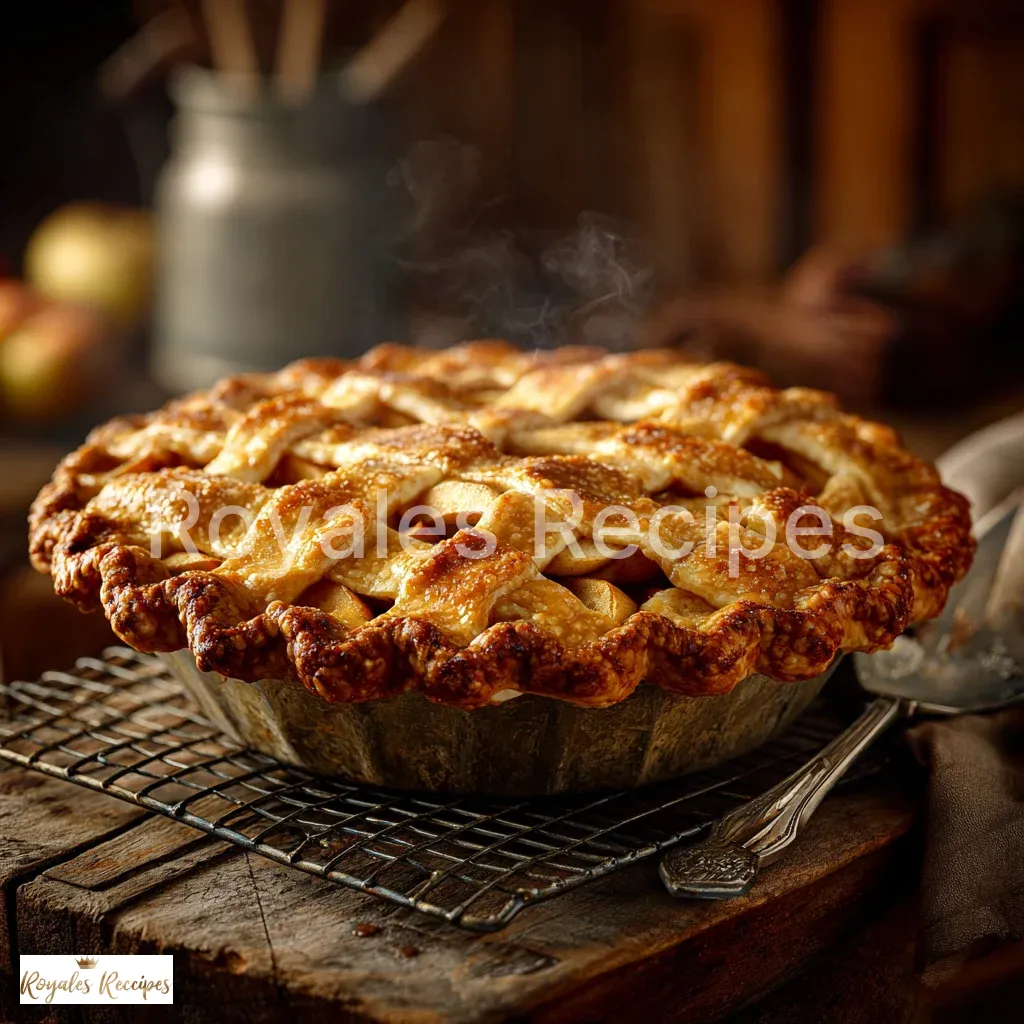
- Add Top Crust (for two-crust pies): If your pie has a top crust, carefully place the second rolled-out dough over the filling. Trim, crimp the edges to seal, and cut several slits in the top for steam to escape. Alternatively, create a lattice top.
- Egg Wash (optional): For a golden, shiny crust, brush the top with an egg wash (1 egg beaten with 1 tablespoon water).
5. Bake (or Chill) the Pie
- Preheat Oven: Always preheat your oven to the temperature specified in your recipe.
- Bake Time: Place the pie on a baking sheet to catch any spills. Bake for the time recommended in your recipe. Baking times vary significantly based on the type and size of the pie.
- Visual Cues: Look for a golden-brown crust and a filling that is bubbly (for fruit pies) or set (for cream/custard pies).
- Cover Edges: If the crust edges brown too quickly, loosely tent them with aluminum foil.
- No-Bake Pies: For no-bake recipes, simply pour the filling into the crust and chill in the refrigerator until firm, as instructed.
6. Cool & Serve
- Cool Completely: This is a crucial step! Allow baked pies to cool completely on a wire rack before slicing. Fruit pies need time for the filling to set properly. Cream and custard pies require refrigeration to firm up. Rushing this step often results in a runny, messy slice.
- Enjoy: Once cooled, slice and serve your delicious homemade pie!
Pro Tips for Success
Baking a truly spectacular pie doesn’t require advanced culinary degrees; it simply demands a few clever tricks. These pro tips will elevate your pie-making game, ensuring perfect results every time with any of our 23 easy pie recipes.
- Keep Ingredients COLD (for pastry): This is the golden rule for flaky pie crusts. Use ice-cold butter (cut into small pieces), ice water, and even chill your flour. Cold ingredients prevent the butter from melting too quickly, creating those desirable pockets of steam that make crusts flaky.
- Don’t Overwork the Dough: Mix your pie dough only until it just comes together. Overworking develops gluten, resulting in a tough, chewy crust instead of a tender, flaky one. Handle it as little as possible.
- Chill Your Dough: Always chill pie dough for at least 30 minutes (or longer) before rolling. Chilling relaxes the gluten, makes the dough easier to roll, and prevents shrinkage during baking.
- Ventilation is Key: For two-crust pies, remember to cut several slits or designs into the top crust. This allows steam to escape, preventing the crust from puffing up and ensuring an even bake for your filling.
- Blind Bake When Necessary: If your recipe calls for it, blind bake the crust. This prevents a soggy bottom, especially with very wet fruit fillings or custard pies. Use pie weights, dried beans, or even rice to keep the crust from bubbling up.
- Protect Your Edges: Pie crust edges tend to brown faster than the rest of the pie. If you notice them getting too dark, simply tent them loosely with aluminum foil or use a pie shield.
- Don’t Overfill: Overfilling a pie can lead to spills in your oven, and it can also prevent the filling from setting properly. Always leave a little room at the top.
- Use a Baking Sheet: Place your pie on a rimmed baking sheet before putting it in the oven. This catches any potential spills, making cleanup much easier.
- Let It Cool COMPLETELY: This might be the hardest tip to follow, but it’s vital. Most pies, especially fruit and custard pies, need ample time to cool and for the filling to properly set. Slicing too early often results in a runny, messy pie. Patience truly pays off here.
- Quality Ingredients Matter: While these are easy recipes, using fresh, high-quality ingredients (especially fruits) will always yield the best flavor.
Storage & Reheating Tips
You’ve baked a beautiful pie, and hopefully, you have some delicious leftovers! Proper storage ensures your hard work stays fresh and tasty. Here’s how to best store and, if necessary, reheat different types of pies from our 23 easy pie recipes collection.
General Principles:
- Cool Completely First: Regardless of the pie type, always let it cool completely on a wire rack before storing. Trapping warmth creates condensation, leading to soggy crusts and potential spoilage.
- Wrap Tightly: Use plastic wrap, aluminum foil, or an airtight container to protect the pie from air exposure, which causes staleness and freezer burn.
Sweet Fruit Pies (e.g., Apple, Berry, Cherry)
- Countertop Storage (1-2 days): Most fruit pies (like apple, cherry, or peach) that contain mostly fruit, sugar, and thickeners can safely sit at room temperature for 1-2 days, especially if covered loosely.
- Refrigeration (3-5 days): For longer storage, or if your kitchen is particularly warm, refrigerate fruit pies, tightly wrapped.
- Freezing (up to 3 months): You can freeze most baked fruit pies. Wrap the cooled pie tightly in several layers of plastic wrap, then a layer of aluminum foil. Thaw in the refrigerator overnight, then reheat.
- Reheating: For a warm, crispy crust, reheat slices (or a whole pie) in a preheated oven (300-350°F / 150-175°C) until warmed through and the crust is crisp again. This takes about 15-20 minutes for a slice, or 30-45 minutes for a whole pie.
Cream & Custard Pies (e.g., Chocolate Cream, Lemon Meringue, Pumpkin)
- Refrigeration is Essential (3-4 days): These pies contain dairy and eggs and are highly perishable. You must store them in the refrigerator from the start, loosely covered with plastic wrap to prevent condensation from dripping onto the topping.
- Freezing: Most cream and custard pies do not freeze well, as the texture can become watery or grainy upon thawing. Pumpkin pie is an exception and often freezes well. Wrap tightly.
- Reheating: Cream and custard pies are typically served chilled and do not reheat well. Enjoy them cold from the fridge!
Savory Pies (e.g., Chicken Pot Pie)
- Refrigeration (3-4 days): Store leftover savory pies tightly covered in the refrigerator.
- Freezing (up to 3 months): Savory pies freeze exceptionally well. Wrap individual slices or the whole pie tightly.
- Reheating: Reheat savory pies in a preheated oven (350-375°F / 175-190°C) until warmed through and the crust is crispy, approximately 20-30 minutes for slices, or 45-60 minutes for a whole pie. Microwaving is an option for quick reheating, but the crust will not be crispy.
Always trust your senses: if a pie looks, smells, or tastes off, it’s best to discard it.
What to Serve With This Recipe
A delicious pie, whether sweet or savory, often feels like a complete meal or dessert on its own. However, pairing it with just the right accompaniment can truly elevate the experience! This section offers ideas for serving our 23 easy pie recipes, catering to both the sweet and savory varieties.
For Sweet Pies (e.g., Fruit Pies, Cream Pies)
- A Scoop of Ice Cream: This is a classic for a reason! Vanilla bean ice cream complements almost any fruit pie. Chocolate ice cream or coffee ice cream works wonders with chocolate cream pies. Feel free to experiment with different flavors.
- Freshly Whipped Cream: A generous dollop of light, airy, unsweetened or lightly sweetened whipped cream adds a wonderful contrast to rich pie fillings.
- Custard or Crème Anglaise: For a touch of elegance, serve a warm fruit pie with a silky vanilla custard sauce.
- A Cup of Coffee or Tea: A warm beverage, like a robust coffee or a comforting cup of herbal tea, provides a lovely balance, especially after a rich slice of pie.
- Fresh Berries: A side of fresh, lightly sweetened berries (strawberries, raspberries) can add a burst of freshness and color, particularly good with cream or lemon pies.
- Caramel or Chocolate Sauce: Drizzle a little extra caramel sauce over an apple or pecan pie, or chocolate sauce over a chocolate cream pie for an extra decadent touch.
For Savory Pies (e.g., Chicken Pot Pie, Shepherd’s Pie)
- Simple Green Salad: A crisp green salad with a light vinaigrette is the perfect counterpoint to a rich savory pie. It adds freshness and balances the hearty flavors.
- Steamed Vegetables: Serve a side of simple steamed vegetables like broccoli, green beans, or asparagus. They provide a nutritious and light accompaniment.
- Crusty Bread: A warm, crusty baguette or a slice of sourdough is wonderful for soaking up any delicious gravy from a savory pie.
- Soup: For a complete and cozy meal, pair a savory pie with a light, creamy soup like a tomato bisque or a clear vegetable broth.
- Pickles or Chutney: Tangy pickles or a sweet-savory chutney can cut through the richness of some savory pies and add an interesting flavor dimension.
Ultimately, trust your palate! These are just suggestions to spark your imagination. The best accompaniment is whatever makes you and your loved ones happy.
FAQs
Baking pies, even our selection of 23 Easy Pie Recipes, often brings up a few common questions. Here are answers to some of the most frequently asked questions to help you bake with confidence.
Can I use a store-bought pie crust for these 23 easy pie recipes?
Absolutely! Using a good quality store-bought pie crust is a fantastic time-saver and works perfectly for nearly all of these easy pie recipes. It dramatically simplifies the process without compromising much on taste. In fact, many busy home cooks, myself included, rely on them regularly.
What is the best way to prevent a soggy bottom crust?
Several tips help prevent a soggy bottom. First, blind bake your crust if the recipe recommends it, especially for wet fillings or custard pies. This partially bakes the crust before adding the filling.
Second, ensure your oven is preheated to the correct temperature. A hot oven helps to crisp the crust quickly. Finally, if using a very juicy fruit, add an extra tablespoon of thickener (like cornstarch or flour) to absorb excess moisture.
How do I know when my fruit pie is fully baked?
You know a fruit pie is ready when its top crust is golden brown and you see the filling bubbling through the vents. The bubbling indicates the fruit juices are hot enough to cook the thickener properly. If you use an instant-read thermometer, the internal temperature of the filling should reach around 200-205°F (93-96°C).
Can I make these easy pie recipes ahead of time?
Yes, many pies can be made ahead! Sweet fruit pies can often be baked a day in advance and stored at room temperature or refrigerated. Cream and custard pies require refrigeration from the start and usually last 3-4 days.
Savory pies also keep well in the fridge for 3-4 days. For longer storage, many fruit and savory pies freeze beautifully (see storage tips above).
What’s a good beginner-friendly pie from this collection?
For beginners, I recommend starting with a no-bake pie (like a simple chocolate cream or key lime pie with a graham cracker crust) or a classic apple pie using a store-bought crust. These pies are generally forgiving and offer a satisfying result, building your confidence for more adventurous baking from our 23 easy pie recipes!

23 Easy Pie Recipes
Ingredients
Method
- 1. Choose Your Pie & Gather Ingredients: Select your desired pie recipe from the collection, read it thoroughly, and prepare your mise en place by gathering and measuring all ingredients.
- 2. Prepare the Pie Crust: For traditional pastry, combine cold butter/shortening with flour and salt, add ice water until just combined, avoiding overworking, then chill for at least 30 minutes. Roll out the chilled dough to fit a 9-inch pie plate, trim, and crimp the edges. For crumb crusts, mix crushed cookies/crackers with melted butter and sugar, press into the plate, and chill or bake as directed. Blind bake the crust if the recipe requires it, using parchment paper and pie weights.
- 3. Make the Filling: For fruit fillings, gently toss fruit with sugar, thickener, spices, and citrus. For cream/custard fillings, whisk eggs, sugar, milk/cream, and flavorings, then cook over medium heat until thickened. For savory fillings, sauté vegetables, cook protein, and combine with broth, thickeners, and seasonings.
- 4. Assemble the Pie: Pour the prepared filling into the unbaked or blind-baked pie crust. If adding a top crust, place it over the filling, trim, crimp to seal, and cut vents for steam. Optionally, brush with an egg wash for a golden finish.
- 5. Bake (or Chill) the Pie: Preheat your oven to the specified temperature. Place the pie on a baking sheet and bake for the recommended time until the crust is golden brown and the filling is bubbly (for fruit pies) or set (for cream/custard pies). Tent edges with foil if they brown too quickly. For no-bake pies, pour filling into the crust and chill until firm.
- 6. Cool & Serve: Crucially, allow baked pies to cool completely on a wire rack before slicing to allow the filling to set. Cream and custard pies require refrigeration to firm up. Once cooled, slice and enjoy your delicious pie.